Ode to Algae
Ever feel like you want to drift away for a while?
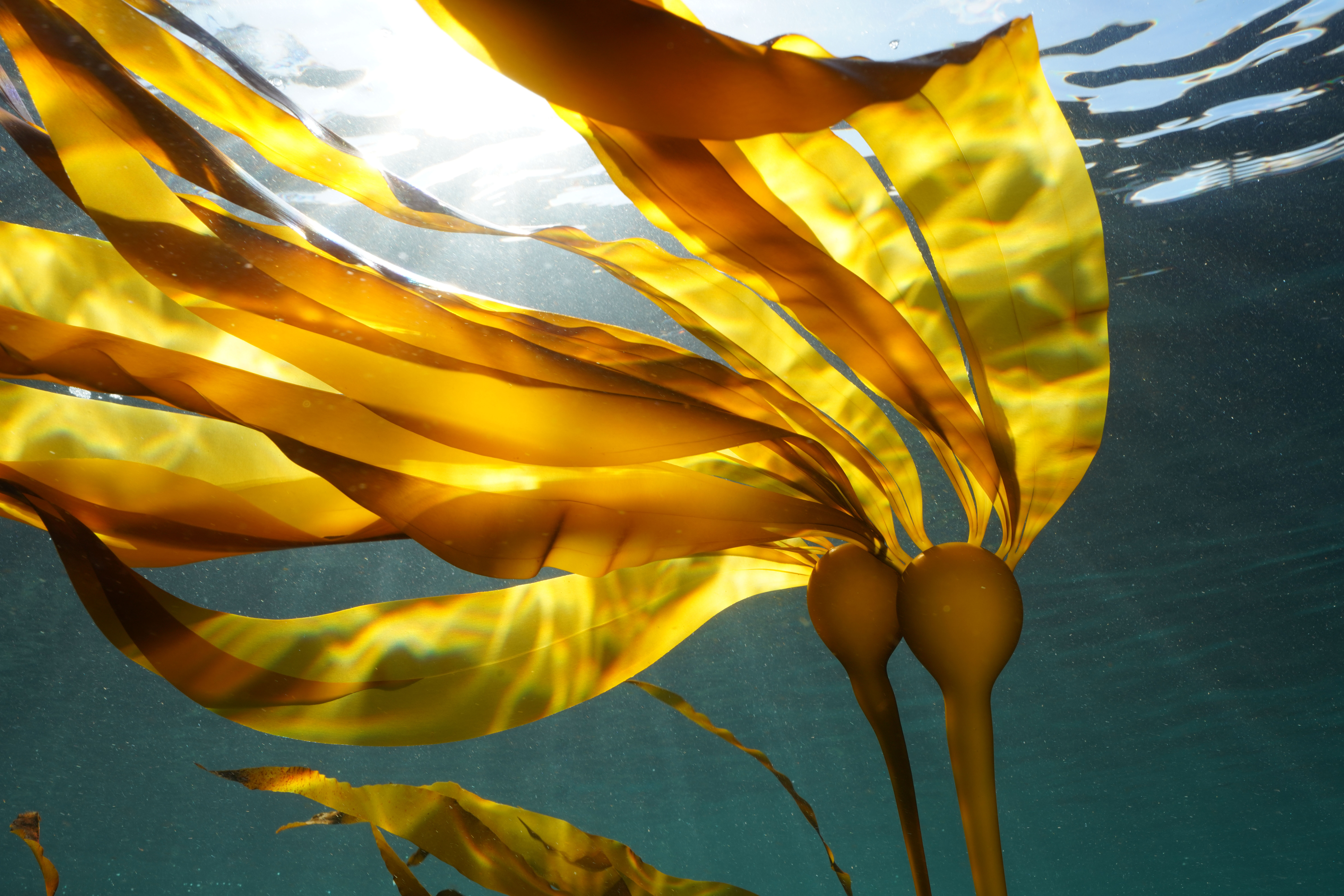
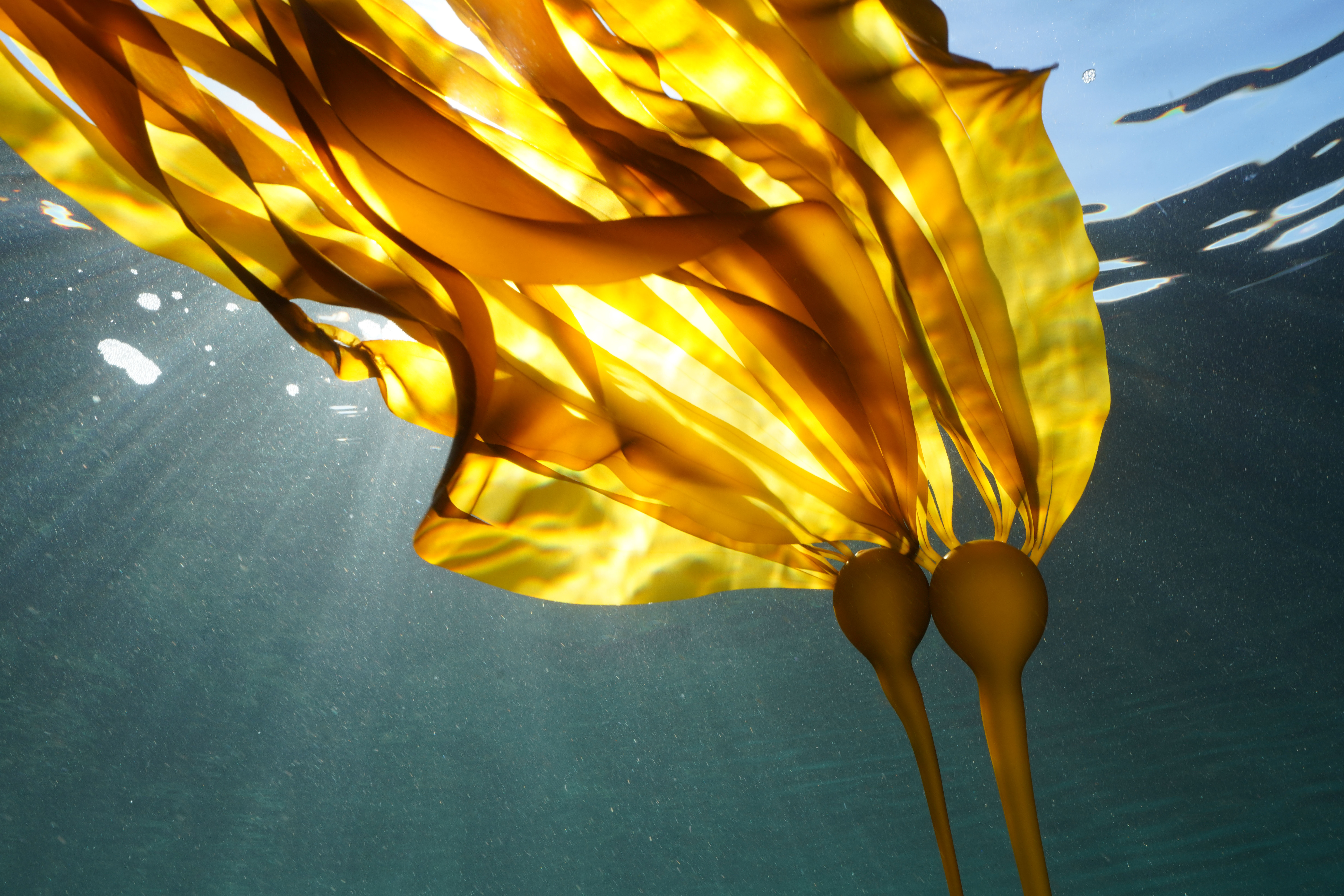
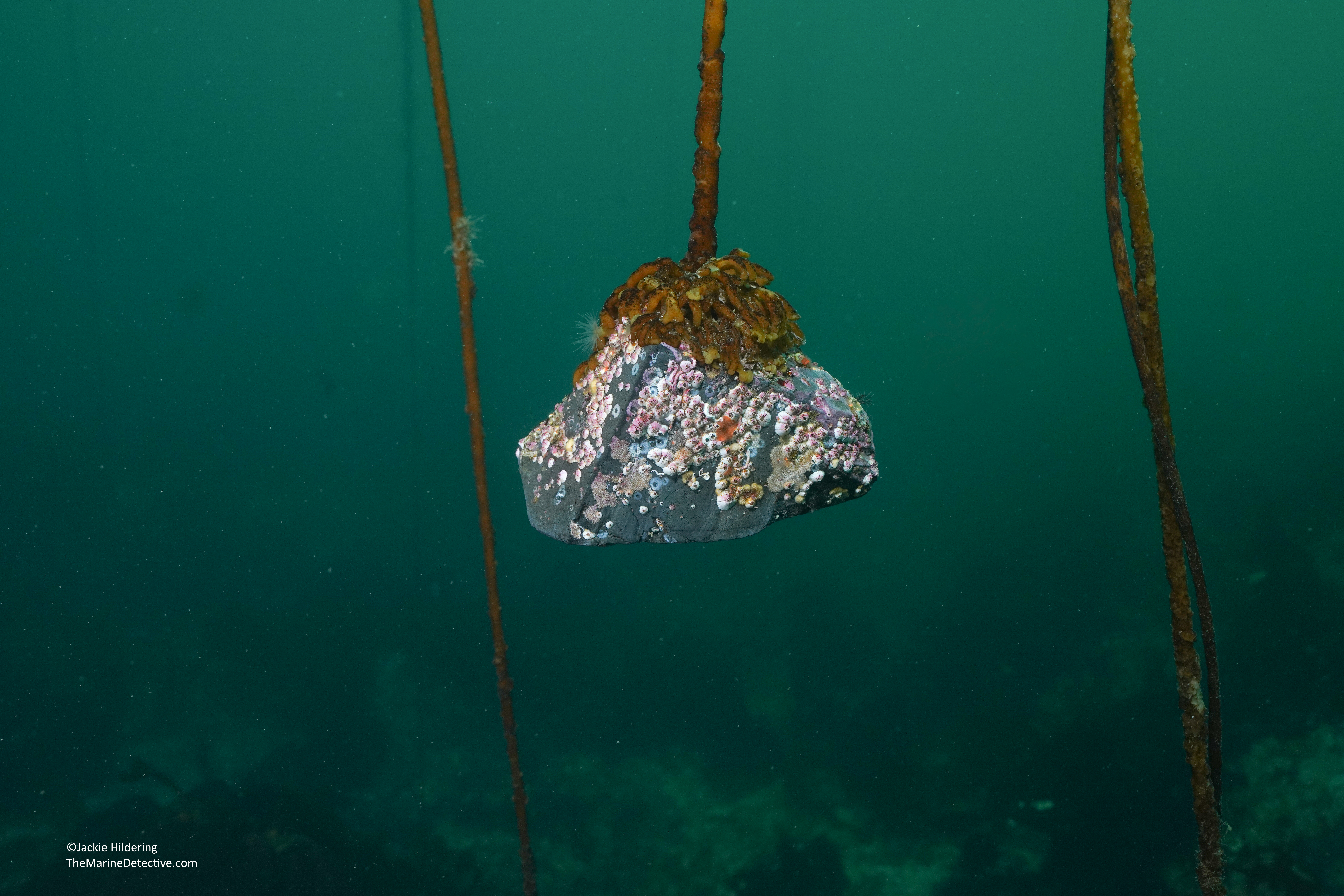
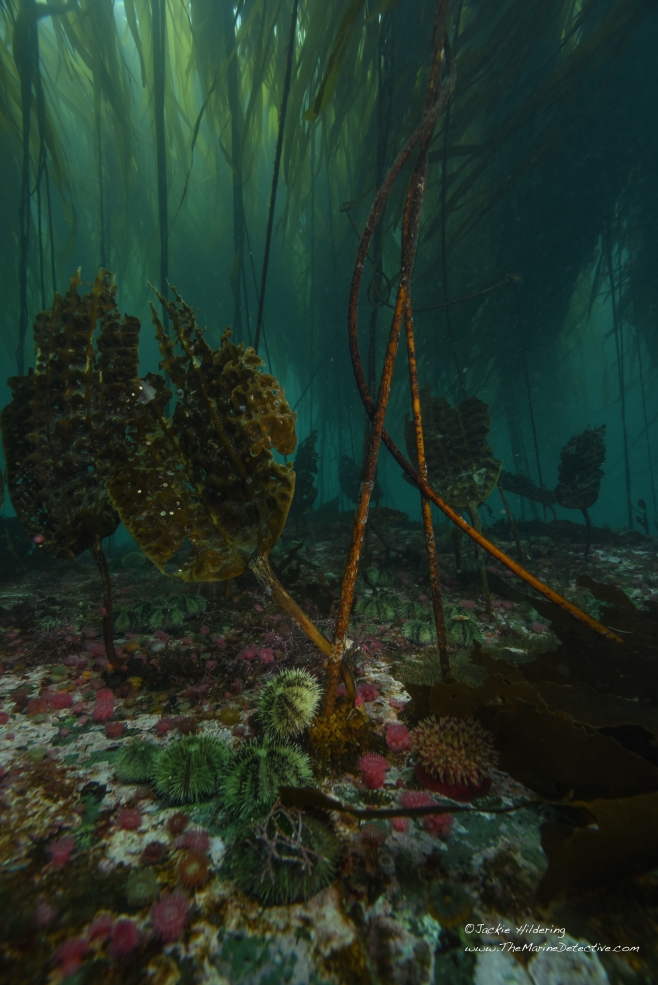
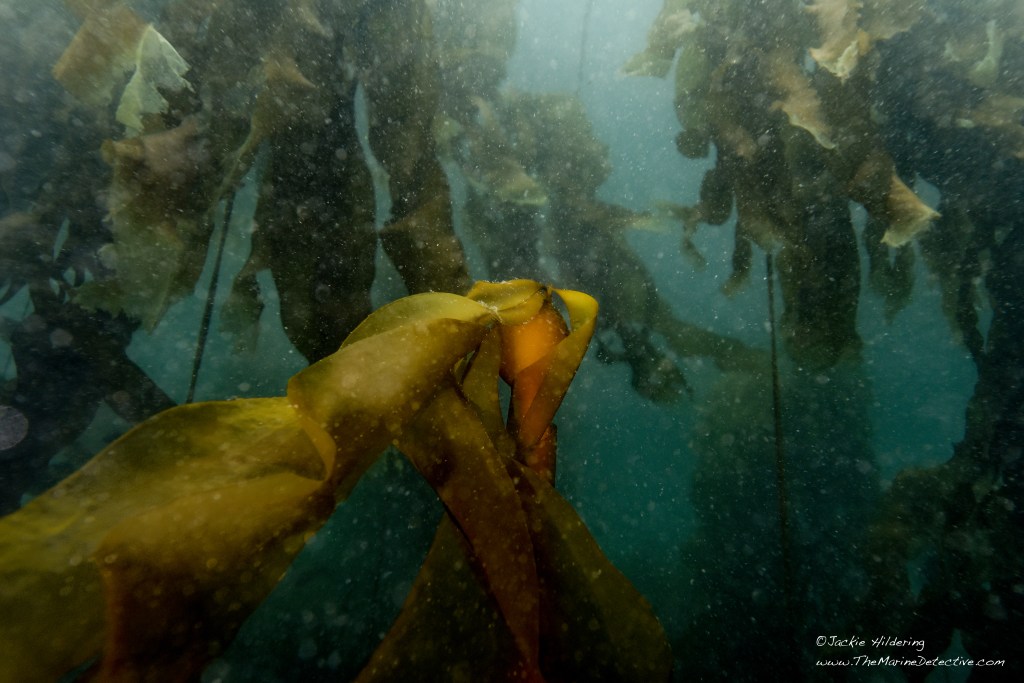
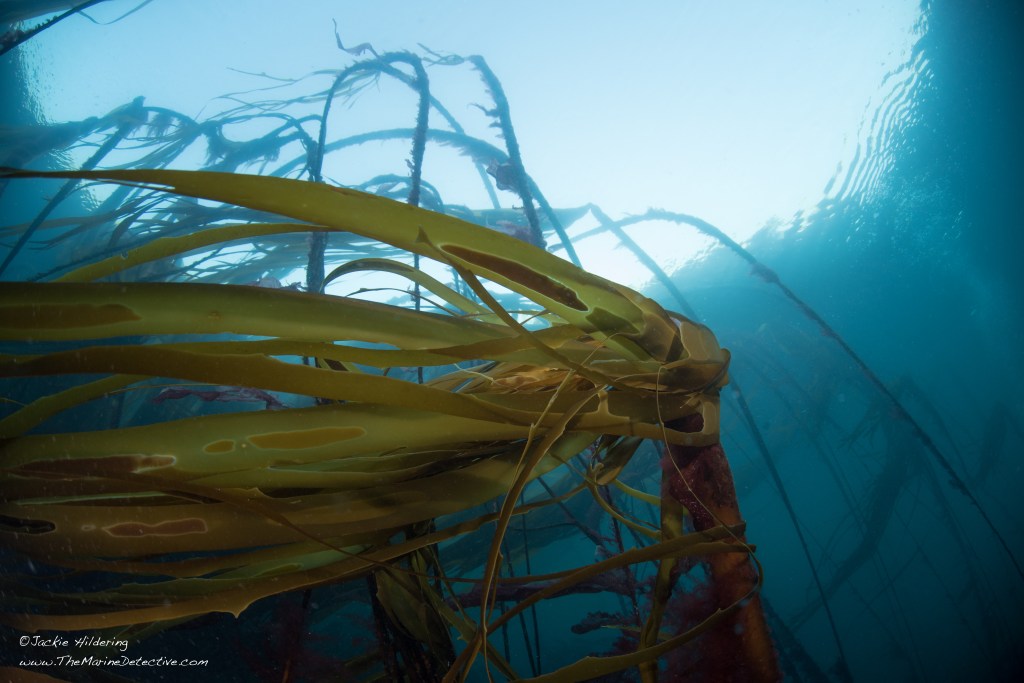
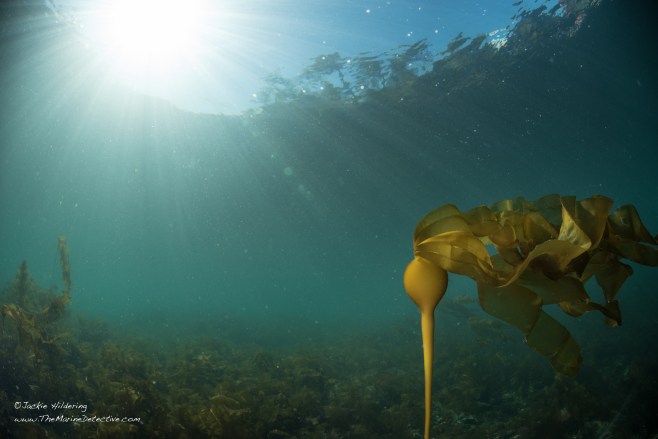
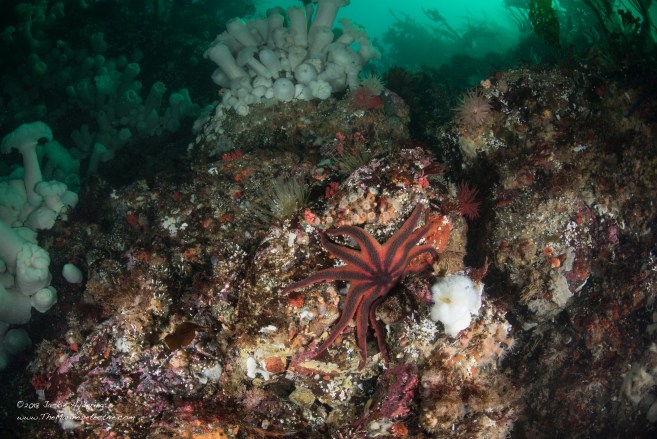
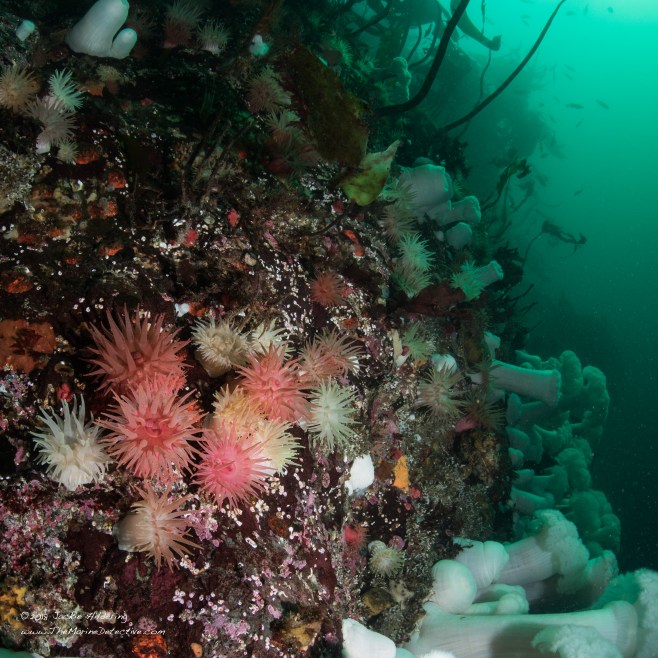
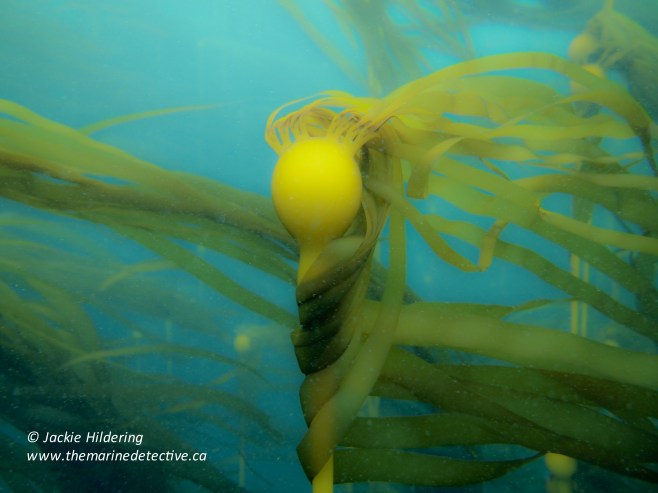
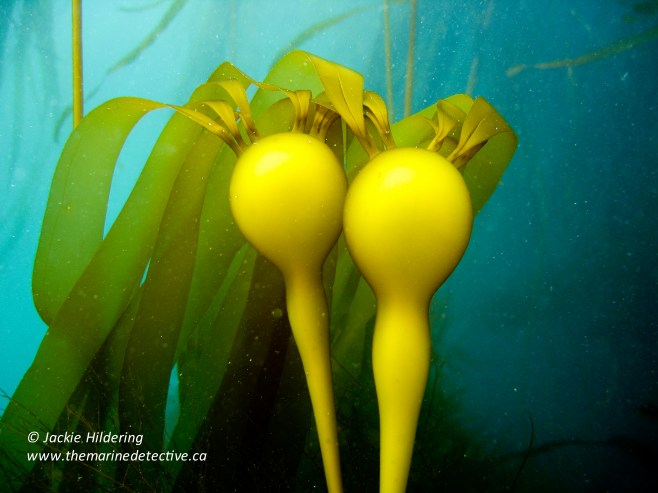
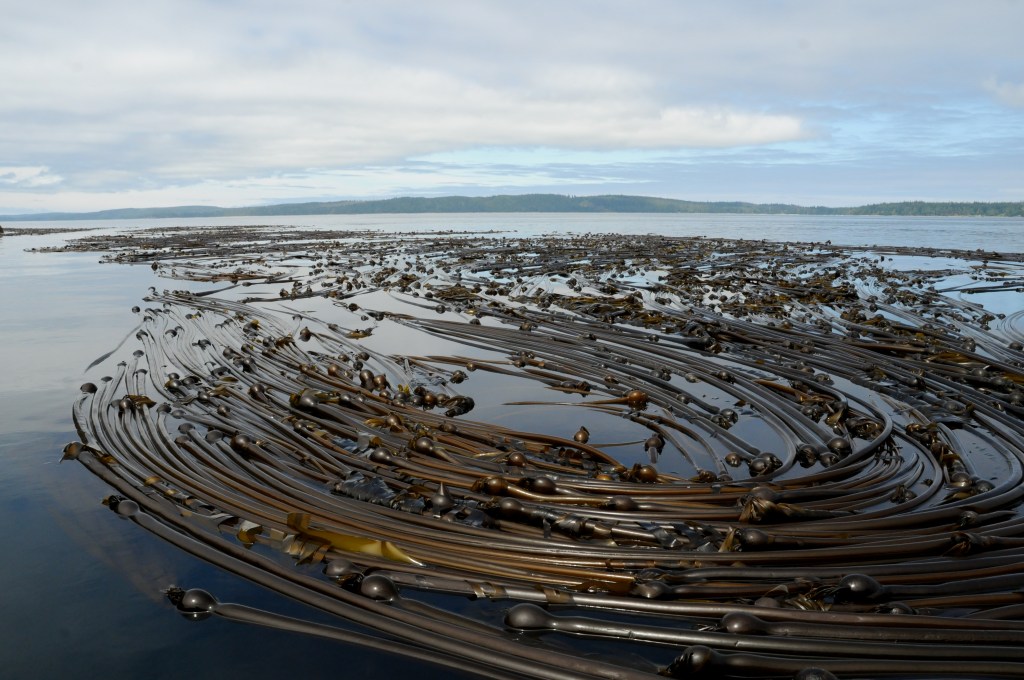
Here you go, a slideshow featuring my photos of kelp and other seaweeds/algae.
Maybe watch it while listening to your favourite calming songs?
I put this slideshow together for an upcoming workshop on seaweed. It’s full, but you can sign up for alerts about future workshops.
Photos are from near northeast Vancouver Island taken by yours truly in the Traditional Territories of the Kwakwa̱ka̱’wakw (the Kwak̕wala-speaking Peoples). Final photo of me photographing kelp is by dive buddy, Don Gordon.
The Importance of Algae
The Ocean’s algae, from the microscopic to the giant kelps:
- Produce at least 50% of the Earth’s oxygen.
- Another result of their photosynthesis is that they absorb very significant amounts of carbon dioxide – a very significant climate-changing gas.
- The algae / seaweeds are producers, converting sunlight to food to fuel the food web. They offer we humans so much nutrition too.
- Kelps are habitat for hundreds of species.

Kelp in Trouble
Where every species lives is, of course, because the conditions are right. For example, the temperature is not too cold. It’s not too hot. It’s just right. Yes, this is referenced as the Goldilocks Principle. Changing temperatures are impacting the health of kelp forests, as are other variables involved with climate change such as more frequent and stronger winds ripping away more kelp.
Also, there are far fewer Sunflower Stars due to Sea Star Wasting Disease which is believed to be associated with climate change. Sunflower Stars are predators of Green Urchins. Green Urchins graze on kelp. With less Sunflower Stars, there are more Green Urchins. More urchins leads to more grazing on kelp. In the extreme, this leads to “urchin barrens” where the kelp forest has been grazed away. This is not the urchins’ fault, of course. It’s due to human activity.
Less kelp = less food, oxygen, habitat and buffering of carbon dioxide.
Common Solutions:
This is not an additional problem! There are common solutions for many socio/environmental problems. What is going on with kelp is another symptom of the same negative forces – disconnect, a focus on short-term economies, and a culture that perpetuates fear, misinformation, overwhelm and reduced empowerment. Whatever you do to reduce carbon dioxide (from your energy use, consumerism, to how you vote) will help the kelp and all that depends on them. 💙


 .
. 























 The Marine Detective